
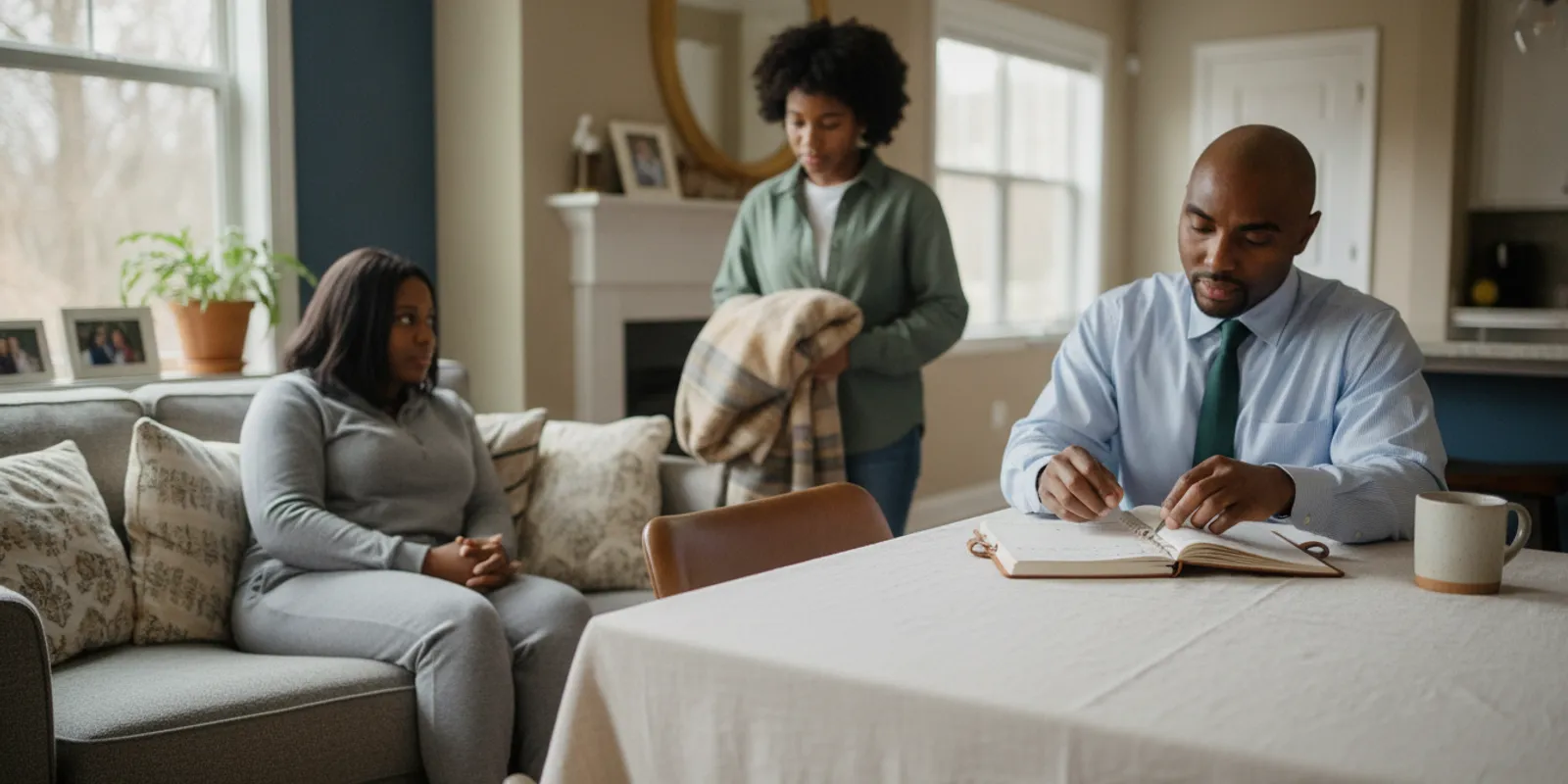
After an accident, family members may take on rides, errands, meal preparation, and other everyday tasks while someone recovers. A Georgia accident family support claim is not simply a list of favors; it is a way to organize accurate information about how an injury changed family routines. Keeping a clear account can help relatives explain what happened without guessing about legal value or outcome.
Request a free, no-obligation case review
What does family support after an accident involve?
Support may be practical and ordinary: a spouse drives to an appointment, an adult child shops for groceries, or a relative prepares meals and handles school transportation. Several people may share tasks over a period of weeks. The injured person may need more help at first, then less as routines change.
These changes can affect the whole household. They may shift schedules, require relatives to rearrange commitments, or leave usual chores undone. That does not mean every task automatically has a particular legal value or belongs in a claim. The facts, records, and applicable law matter, and only an attorney can assess a specific matter.
The Law Office of Laquetta S. Pearson represents people in Atlanta-area motor vehicle, truck and tractor-trailer, premises-liability, and dog-bite matters. Laquetta S. Pearson has 23 years of experience practicing Georgia law, and the attorneys have a combined 43 years of experience. The firm reports millions of dollars recovered for clients. Prior results do not guarantee a particular outcome.
Why write down changes in family routines?
It can be hard to recall details later, especially when several relatives have helped. A dated log can preserve what the family remembers and distinguish accident-related changes from tasks that were already part of the routine. The goal is not to create an argument or estimate compensation. It is to keep an honest record.
Use specific, neutral descriptions. Instead of writing that a relative helped all day, note the task and approximate duration: “Sister drove to follow-up appointment; left about 9:15 a.m., returned about 11:00 a.m.” Mark estimates as estimates. If you do not remember a detail, say so rather than filling in a likely answer.
- Record the date: Use the day the task occurred, not the day the note was written.
- Name the task: Note a ride, meal, shopping trip, child transportation, or another task that actually happened.
- Identify the helper: Use a name or consistent initials.
- Describe the context: Briefly record why help was needed if known, without adding a diagnosis or assumption.
- Point to existing records: Keep appointment reminders, receipts, messages, or calendar entries that relate to the event.
Do not alter receipts or messages, backdate notes, or write events to make them appear different. If you correct an entry, preserve the original context and add a dated correction. A concise, accurate record is easier to explain than an elaborate account based on uncertain memory.
Which kinds of support should a family track?
Think about activities that changed after the accident. The table is an organizing aid, not a statement that a listed category is recoverable. Include only what happened, and note when a task was postponed, canceled, or completed by someone else.
| Support area | Examples to record | Related items to keep |
|---|---|---|
| Transportation | Rides to appointments, pharmacy visits, essential errands | Calendar entry, appointment reminder, parking or transit receipt |
| Household tasks | Meals, laundry, cleaning, groceries, yard tasks | Dated task note, relevant shopping receipt, coordination message |
| Family scheduling | School drop-offs, child-care arrangements, changed shared schedules | Calendar update or message about the changed arrangement |
| Personal assistance | Help with routine daily activities, when applicable | Factual note and relevant appointment or instruction record |
| Rearranged commitments | A relative changes plans to provide support | The helper’s calendar note or other record already maintained |
Keep sensitive information private. Medical records, children’s details, and family conversations should not be posted publicly or sent through an unverified channel. Store copies securely and keep originals where they can be located. Avoid collecting unrelated private information just because it might seem useful.
How can you build a clear timeline?
A simple timeline can connect the accident, changes in daily needs, and assistance provided. A notebook, calendar, or spreadsheet can work. Use one format consistently, and keep the source of each detail clear.
- Start with what is known. Record the accident date and basic context. Mark unconfirmed details as such.
- Note important changes. Record when help with a routine task began, changed, became less frequent, or ended.
- Log tasks as they occur. Add the date, helper, task, and approximate time. Make separate entries if two people helped.
- Reference supporting items. Identify a receipt, message, or calendar entry by date or a simple label; do not clutter the log with unrelated records.
- Correct transparently. If an entry is mistaken, add a dated correction rather than silently replacing it.
For example, suppose a sister drives to the grocery store twice in one week, then a neighbor takes over the following week. Record each actual trip and who made it. Do not turn a canceled trip or an offer of help into assistance that was provided. If a task took longer than expected, note the approximate duration rather than converting it into a precise total later.
A family can also distinguish regular help from one-time support. A weekly ride may be easiest to track in separate dated entries, while a one-time change—such as a relative arranging a different school pickup—can be described in a short note with the date and context. This makes it easier to see whether a routine persisted or was limited to a particular day.
What records may help explain the family impact?
No single document tells the whole story. A family might keep a dated support log, a calendar of appointments, messages arranging rides, and receipts for expenses it paid. Keep records that already exist and relate to what happened. Organize them in date order and label them plainly.
Keep the family’s notes distinct from medical and accident records. If a receipt covers several purchases, make a separate note identifying which items relate to the task; do not change the receipt. If two relatives remember a detail differently, preserve each account instead of forcing them to agree. Record what each person observed directly and what they learned from someone else.
Federal recordkeeping guidance emphasizes retaining supporting documents for the records to which they relate. The IRS explains examples of business records and supporting documents in its recordkeeping guidance. That page addresses tax records, not injury claims; here, the limited practical point is to keep related documents organized and avoid altering source records.
How do accident type and household needs fit together?
The surrounding facts differ depending on whether an injury involved a car, a commercial truck, a fall on someone else’s property, or a dog bite. A family-support log should remain focused on what changed at home and what help was actually provided. For general background, see the firm’s personal injury services page.
After a motor vehicle collision, transportation and appointment scheduling may be immediate concerns. The firm’s guide to what to do after a car accident in Georgia covers practical post-crash steps. A commercial vehicle matter may raise different questions; its overview of truck accidents in Georgia provides topic-specific context.
After a fall, keep notes about changes in daily routines separate from assumptions about property-owner responsibility. The firm’s premises liability guide discusses that subject. For an injury involving a dog, its article on Georgia dog-bite laws offers separate background. None of these articles determines whether a particular claim is available or what it may include.
How can relatives coordinate support without adding confusion?
When several people help, one shared schedule can reduce duplicate trips and missed tasks. Choose one person to maintain the current calendar, while helpers send short factual updates after completing a task. Limit access to people who need the information, especially when the schedule includes sensitive details.
- Choose one private place for the schedule and support log.
- Use the same date and time format for every entry.
- Confirm who is responsible for each task before it is due.
- Update the group when plans change; do not rely on an old text thread.
- Ask the injured person what help is wanted and respect a decision to decline it.
Support should reflect expressed needs, not assumptions. Someone may welcome rides but prefer to manage appointments alone. Another person may want a relative present to help remember questions. A flexible schedule makes it easier to adjust without treating planned or canceled help as completed work.
A practical routine can be simple: confirm a ride the evening before, then record whether it happened after returning. If a relative shops, note the date and task. If the injured person says the task is no longer needed, update the plan. The log does not need every conversation or private feeling. If a family member wants to describe broader effects, that person can write a separate dated account in their own words.
What should you prepare before talking with an attorney?
You do not need a complete file before asking questions. A short description of the accident, observed changes in routine, and a few examples of help can provide a starting point. If support is ongoing, say that the schedule may change. Do not delay a conversation because a log is incomplete.
Consider writing down questions such as:
- Which records should we keep, and which are unnecessary?
- How should we describe support shared by several relatives?
- What should we do if the injured person’s needs change?
- Should we preserve particular messages, receipts, or appointment records?
- How should we share updated information through a verified channel?
Bring only information you are comfortable sharing through a verified channel. If you receive an unexpected request, use contact information you independently recognize rather than sending private records in response. The firm’s overview of a free case review explains what a first conversation may involve. You can also learn about Laquetta S. Pearson.
For broader personal injury support, visit the firm’s home page. A free, no-obligation case review gives the firm’s team an opportunity to hear details directly. This article cannot determine whether a claim is available or what compensation may apply.
Frequently Asked Questions
Does helping a relative automatically create a family support claim?
No. A relative providing help does not by itself establish that a particular claim or recovery is available. The facts and applicable law must be considered. A family can still keep accurate notes about the support actually provided.
Should relatives assign a dollar value to their time?
This guide does not recommend assigning a value or estimating compensation. Record the task, date, helper, and approximate time, then ask an attorney how the information should be handled in a specific matter.
What if several relatives shared the work?
Have each person contribute factual entries showing which tasks they performed and when. Keep entries separate where useful, and do not combine uncertain recollections into an exact total.
What if we did not start taking notes right away?
Do not invent or backdate entries. Write a present-day note explaining what you remember and when you wrote it, and mark uncertain details as estimates. Existing calendars, messages, or receipts may help clarify dates.
Can we ask for help before every record is organized?
Yes. You do not need to finish a timeline or gather every document before contacting a law firm. Explain what you know, what remains uncertain, and what support the family is currently providing.
Request a free, no-obligation case review or call (404) 627-2811.
Accurate, respectful notes can help a family describe how an accident changed daily life without overstating what happened.