Searching for “3 killed in car accident in atlanta today” can mean you are trying to confirm a frightening report, find someone you care about, or understand what comes next after a serious Atlanta-area crash. This article does not confirm a particular collision or its cause. If a crash has affected you or your family, use verified updates, prioritize immediate safety and health, and keep important information organized.
Request a free, no-obligation case review
What should you do first after hearing about a fatal Atlanta crash?
Start by separating confirmed information from posts or messages that may be incomplete. A headline, short video, or social media post may not identify the people involved, explain the location accurately, or establish what caused a collision. Do not share a name, image, or allegation until it has been confirmed by a reliable source and the family has been notified through appropriate channels.
If you are at the scene, move to a safe place and follow instructions from emergency responders. Call 911 if anyone needs urgent help or a dangerous condition remains. Do not enter traffic or approach a damaged vehicle, spilled cargo, fuel, or downed equipment to take photographs. Your safety comes first.
If you are looking for an update about someone, use a known phone number to contact them or a close family member. For official information, check updates from the responding public-safety agency or local authorities. The Georgia Department of Public Safety is one official starting point for statewide public-safety information; local agencies may handle a particular crash. Confirm the agency and location before relying on a report.
What can you do if you survived the collision?
Get medical attention as soon as possible, even if you are unsure how serious an injury is. Tell the medical team what happened and describe symptoms clearly. Some symptoms may change over time. Follow the instructions of your healthcare providers, and keep copies of discharge papers, appointment information, prescriptions, and bills or other records you receive.
When it is safe and practical, write down what you remember while the details are fresh. Record the date, approximate time, roadway or intersection, direction of travel, weather and lighting, vehicles involved, and what you observed before and after impact. Separate what you personally saw from what another person later told you. If you do not know an answer, mark it as unknown rather than guessing.
Make a list of people who may have information, such as passengers or witnesses, but do not pressure anyone to agree with your account. If you have photographs or video, keep the original files and note when and where they were taken. Avoid editing the originals. For a broader checklist, see this guide on what to do after a car accident in Atlanta.
What should a family do after a loved one dies in a crash?
A fatal collision brings urgent personal decisions as well as unanswered questions. There is no need to resolve every issue at once. Focus first on immediate family needs, confirmed communication, and keeping documents in a safe place. A trusted relative or friend can help maintain a written list of calls, dates, and requests so details are not lost during a stressful period.
- Keep official notices, contact details for agencies, and any incident or report reference number you receive.
- Save relevant texts, emails, photographs, and letters in their original form. Make a backup without changing the original files.
- Keep records related to medical care, funeral arrangements, travel, and other expenses together, along with receipts when available.
- Write down who called, the date, what was discussed, and any promised follow-up. Ask for written confirmation when appropriate.
- Before posting details publicly, consider whether the information is confirmed and whether sharing it could affect the privacy of the family.
Family members may receive calls from insurers or other organizations. It is reasonable to ask who is calling, what organization they represent, and whether they can provide the request in writing. Do not guess about facts you do not know. You can take time to understand a request and seek appropriate guidance before responding.
If several relatives are handling updates, agree on a simple way to share verified information. One person might keep a contact log while another saves official documents, but do not circulate private records more widely than needed. Write down the name and role of each person who contacts the family, the organization they represent, and the best number or email for follow-up. If different sources give conflicting accounts, note the difference and wait for clarification instead of combining the details into a single assumed version.
How do truck underride collisions differ from other crashes?
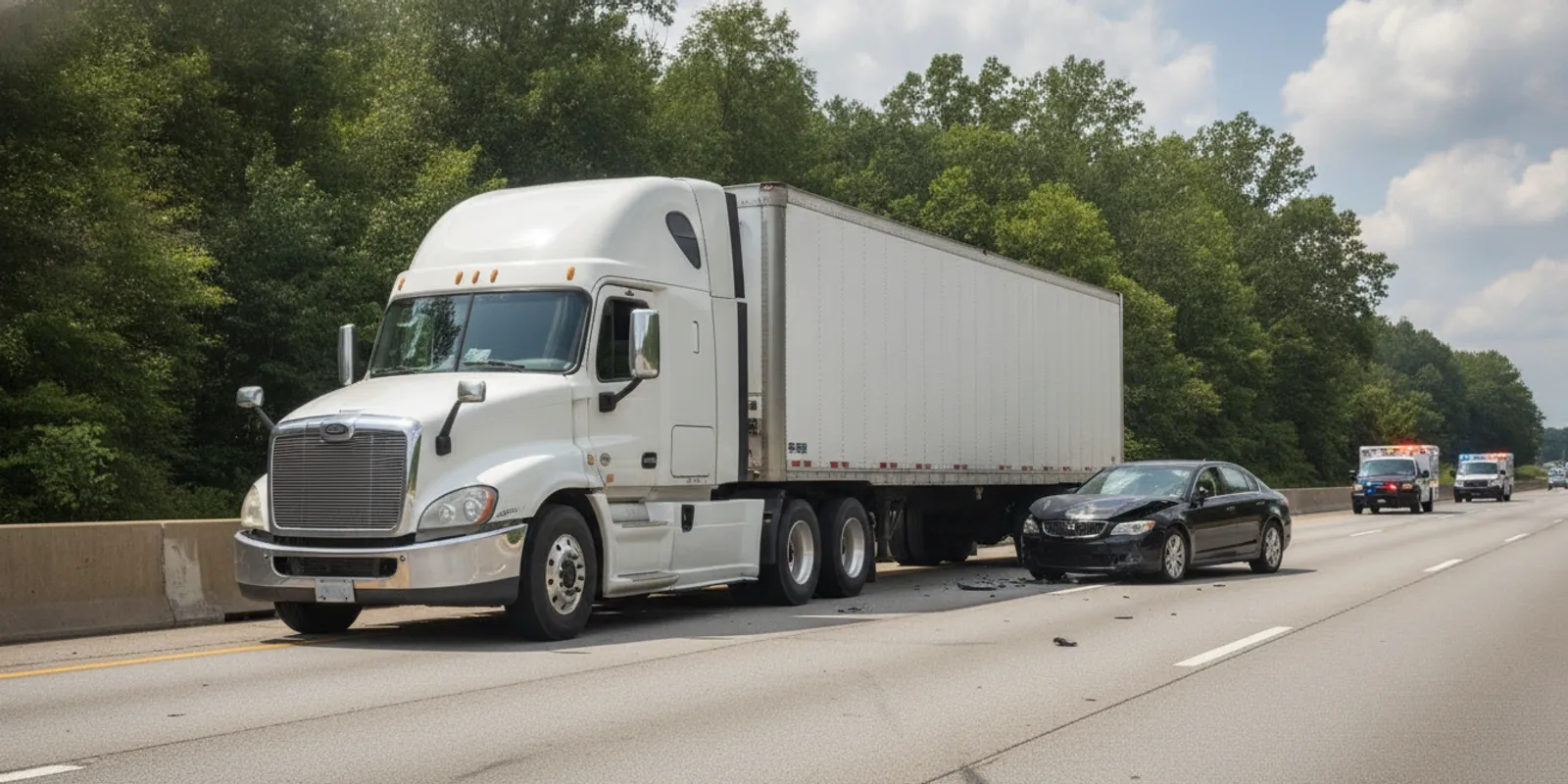
An underride collision generally describes a situation in which a smaller vehicle moves partly or fully beneath a larger truck or trailer. The phrase alone does not establish why a collision happened, who may be responsible, or whether a safety component was present or working. Those questions depend on evidence and the circumstances of the specific crash.
Truck collisions may involve several sources of information, including the vehicles, roadway, witnesses, and records about the trip or equipment. Investigators may examine vehicle damage, photographs, physical marks, and other evidence. It can take time to gather and interpret information. Do not treat an early report as a final determination of cause. The firm’s overview of truck accident causes and responsibility in Georgia provides additional general context.
For families or survivors, the most useful step is usually to preserve what you already have and avoid disturbing potential evidence. Do not try to retrieve items from a crash site or contact a trucking company or witness in a way that could create a safety concern. If you have dash-camera footage, keep the original recording and note how it was stored. If a vehicle is being moved or repaired, preserve any notices and ask the relevant person or organization how records and images can be retained.
Which information can help explain what happened?
No single document proves every part of a collision. A clear, organized set of notes can help a qualified professional understand what is known, what remains uncertain, and where additional information may be located. Depending on the event, useful materials may include:
- Names and contact details for drivers, passengers, witnesses, and responding agencies, if known.
- Photographs or video of vehicles, roadway conditions, visible damage, traffic controls, and the surrounding area, taken only from a safe and lawful location.
- Medical records and a simple timeline of symptoms, appointments, and effects on ordinary activities.
- Insurance correspondence, incident reference numbers, and written requests from agencies or organizations.
- For a truck collision, any information already available about the truck or trailer, company identification, cargo, and the route or trip. Do not enter a restricted area or attempt to obtain records yourself.
Keep the materials in one secure folder, whether paper or digital. Use filenames that include the date and a short description. Maintain a separate timeline with the source of each detail. This makes it easier to distinguish your direct observations from information reported by someone else. For general background on the process, read how a personal injury matter may proceed in Georgia.
Which next step fits your situation?
The right practical next step depends on whether you are a survivor, a family member, or someone who witnessed the crash. The table below is an organizing tool, not a determination about anyone’s legal rights or a substitute for professional guidance.
| Situation | Practical first step | Information to keep |
|---|---|---|
| You were injured | Seek medical attention and follow your care team’s directions. | Appointment details, symptoms, photographs, and a timeline of events. |
| A family member died | Use confirmed agency or family communications and identify one person to track follow-up. | Official notices, contact log, correspondence, and relevant expense records. |
| You witnessed the crash | Share what you personally observed with appropriate authorities if requested. | Your contact information, a factual account, and original photos or video. |
| A truck or trailer was involved | Preserve information already in your possession; do not approach hazards or restricted areas. | Vehicle descriptions, company details if visible, and original recordings. |
Deadlines and procedures can depend on the facts and the people or organizations involved. Avoid relying on a general article or online discussion to decide what applies to your circumstances. If you want to learn about the firm’s motor vehicle and truck accident work, see the personal injury services page and the overview of tractor-trailer accident issues in Atlanta.
How can you prepare to speak with an attorney?
You do not need to have every document or answer before asking about the process. A short written outline can make an initial conversation clearer. Note your connection to the crash, when and where it occurred as far as you know, whether anyone was injured, and which agency or insurer has contacted you. List questions you want answered and mark any detail that is not confirmed.
Ask how the firm communicates, who may follow up, and what information it would be useful to provide next. Share only information you are comfortable discussing through the channel you choose. You can also review the firm’s information about Laquetta S. Pearson and its guide to what happens during a free case review.
The Law Office of Laquetta S. Pearson represents people in Atlanta-area motor vehicle and truck accident matters. Laquetta S. Pearson has 23 years of experience practicing Georgia law, and the attorneys have a combined 43 years of experience. The firm reports having recovered millions of dollars for clients; past results do not promise or predict a result in another matter. A free, no-obligation case review gives you an opportunity to share information with the firm’s team and ask about possible next steps. It is not a guarantee of any outcome.
If you prefer to call, the office number is (404) 627-2811. You can also use the form to request a time to speak.
Request a free, no-obligation case review
Frequently Asked Questions
Does this article confirm that three people were killed in a specific Atlanta crash today?
No. The phrase in the search does not identify a verified event, and this article does not report live news. Check the relevant local authorities or a trusted news source for confirmed details, and do not assume that a headline establishes a crash’s location or cause.
What if I do not know whether a truck underride occurred?
Do not try to diagnose the collision from a headline or a photograph. The term describes a possible crash configuration, but investigators need to examine the specific evidence. Record only what you personally observed and leave uncertain details marked as unknown.
Should I keep photographs, messages, and bills?
Keep relevant originals and store copies securely. Note dates and sources, and avoid editing original photos or recordings. Medical and expense records can help you keep track of events, but their significance depends on the particular circumstances.
Can the firm tell me what applies to my situation?
You may request a free, no-obligation case review to share information with the firm’s team and ask about next steps. This article provides general information, not legal advice, and a review does not promise a particular result.
After a serious crash, take the next step at a pace that feels manageable: confirm information, protect your health and safety, preserve records, and ask for help when you are ready.